
As the Gateway to the Highlands, Inverness is ideally placed for day trips.
Read on for details of a range of half day to full day ideas including the famous Urquhart Castle and Loch Ness; Culloden Battlefield, site of the last pitched battle on British soil; the beautiful and peaceful Black Isle including one of the best places in Britain for viewing dolphins; and more!
See the Inverness Overview page for details of getting to Inverness. Also of interest is our Guide to Inverness City Centre for details of visitor attractions in the city centre.
These are among the most popular and busy places in the Highlands! They are about 30 minutes' travel from Inverness City Centre.
Read on for details of Loch Ness, Urquhart Castle, and four options for visiting either or both.
This mighty and picturesque loch has impressive statistics – it is 23 miles long, has the largest volume of fresh water in Britain, is the second deepest loch in Scotland at 788 feet (240 metres), and is allegedly home to Nessie the Loch Ness Monster.
There is limited access to the water on the west side of the loch, however, it is possible to explore it on a boat trip.
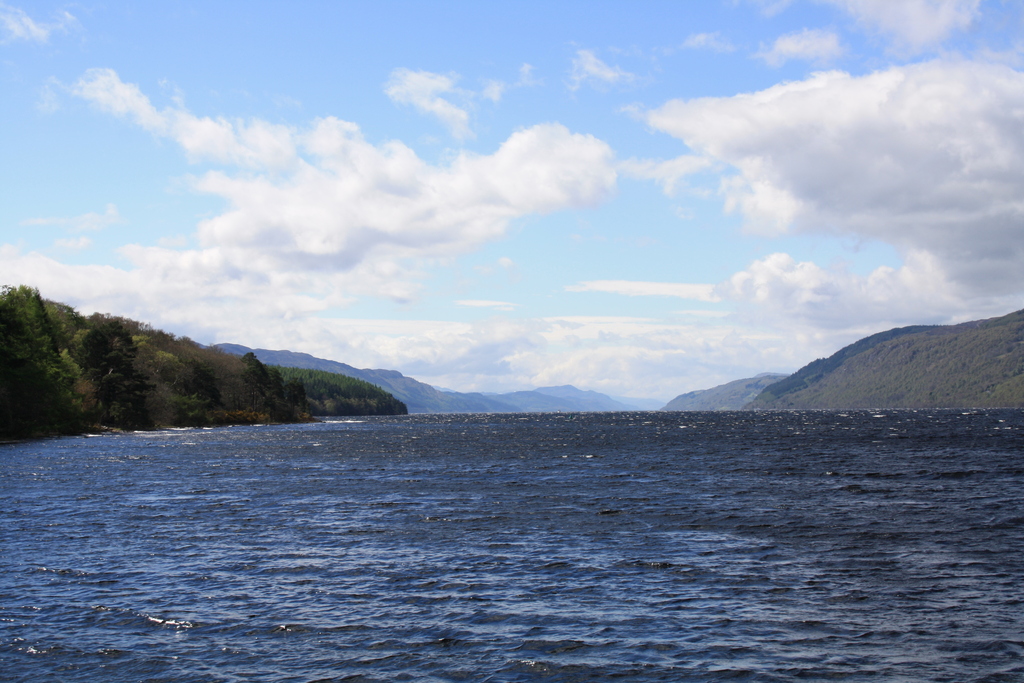
Loch Ness looking south
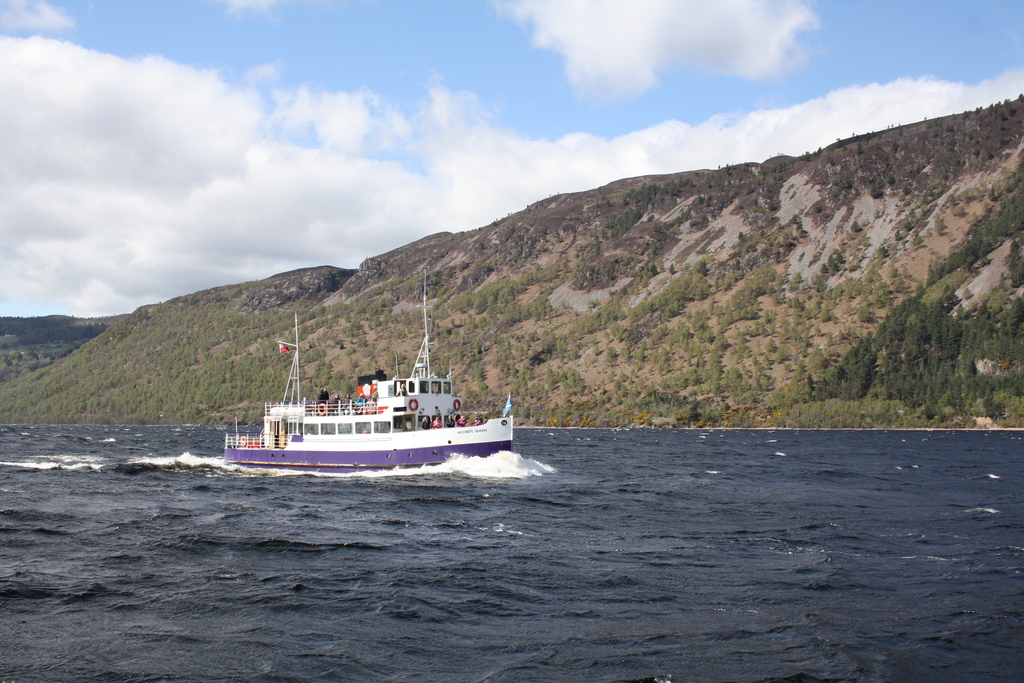
Jacobite Loch Ness Cruises out on Loch Ness
Situated on the shores of Loch Ness, the castle is almost entirely ruined, and yet remains one of Scotland's top visitor attractions. Here you can learn about 1000 years’ of history including conflict, power struggles and being blown up in 1692.
It has amazing views over Loch Ness and is one of the few places on the west side of the loch where you can reach the water – there is a small, stony beach there (no swimming). There is also a visitor centre with a small exhibition, a film show, shop and cafe.
You will be glad you're arriving by bus when you see the fight for car parking. During the summer this attraction gets incredibly busy (booking is essential). The quietest times of day are first thing in the morning and evenings.
Our favourite conditions for seeing the castle are on a dry, sunny summer's day in the late afternoon as the castle, grounds and surrounding landscape look lovely in the warm, late afternoon sunshine.
If you can, avoid days when there are cruise ships in Invergordon (check the timetable) as large numbers arrive by coach morning and afternoon. Coach tours arrive every day but cruise ship days are particularly busy.
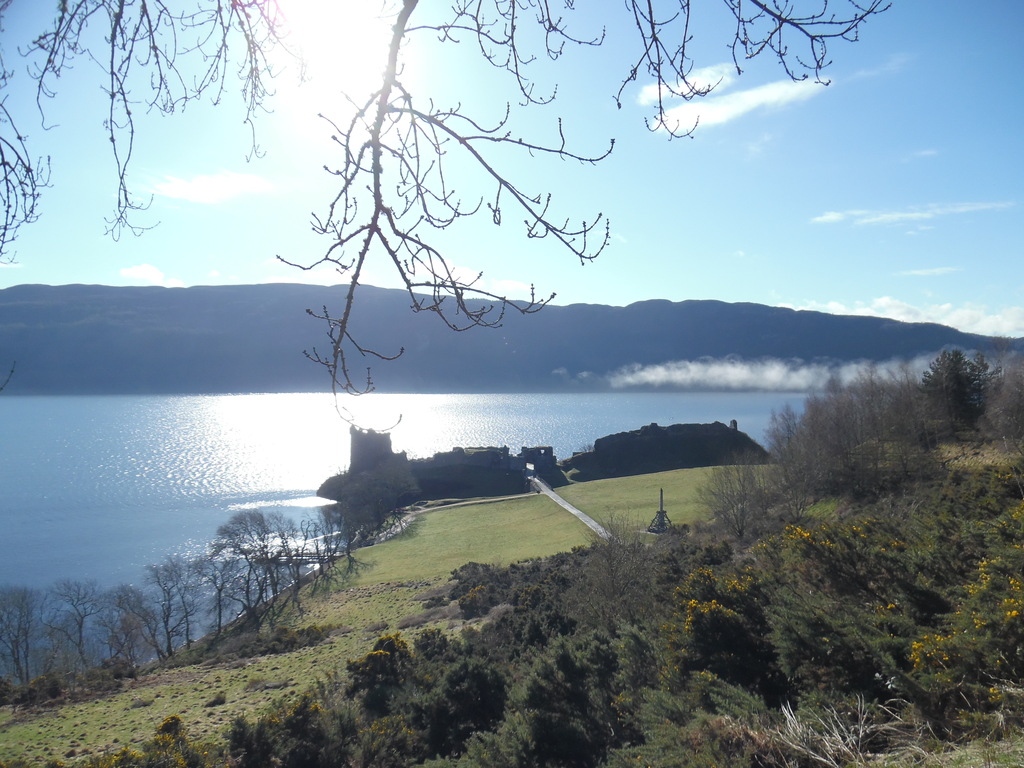
A glorious day at Urquhart Castle
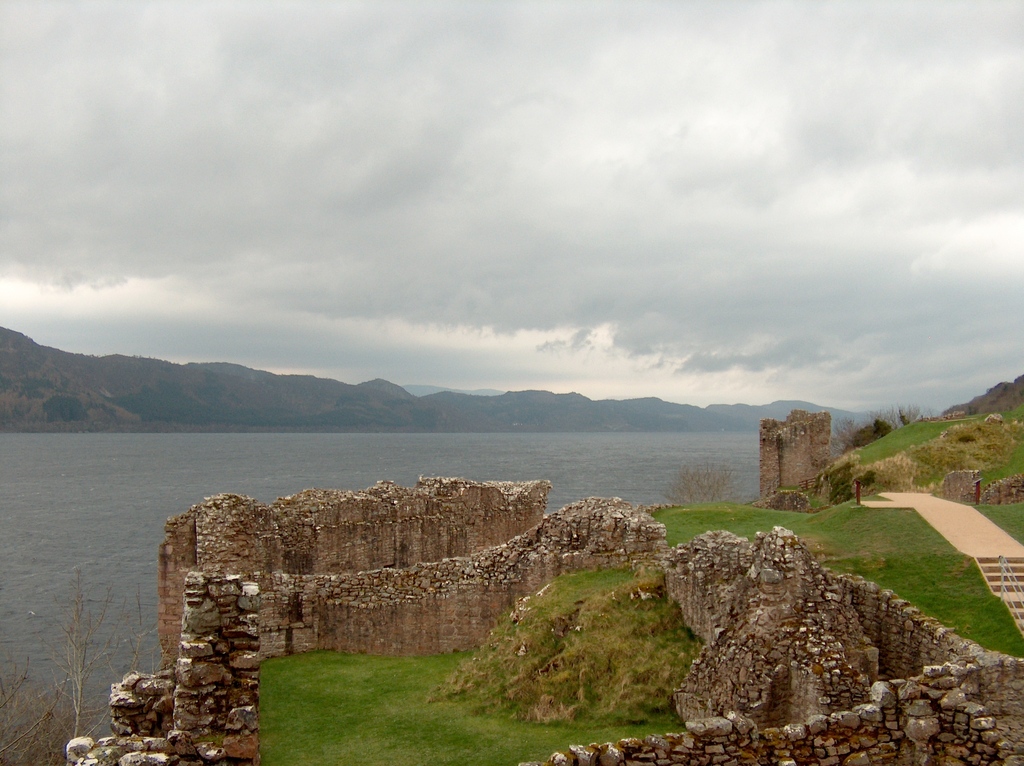
The castle is ruined
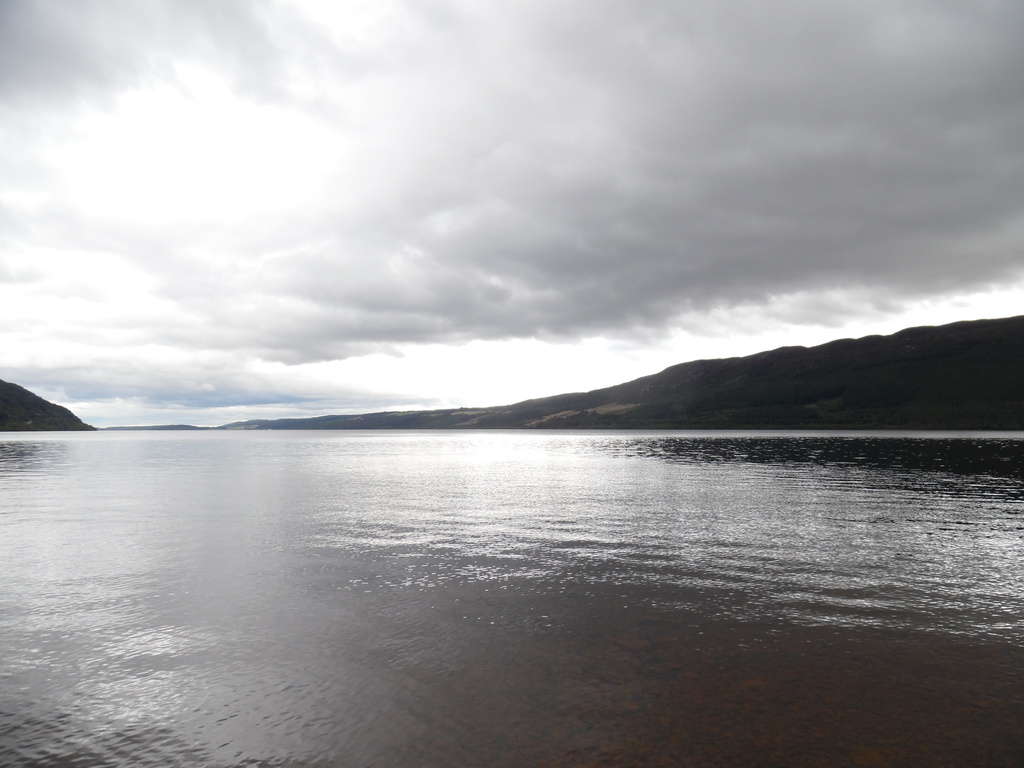
View of Loch Ness from Urquhart Castle beach
FOUR OPTIONS FOR VISITING URQUHART CASTLE AND/OR LOCH NESS BOAT TRIP
Pre-booking is highly recommended for all aspects of your trip.
Option 1, Boat trip and Castle
'Temptation' tour covering a boat trip with Jacobite Loch Ness Cruises and visit to Urquhart Castle.
You are transported by coach from Inverness Bus Station to the boat cruise which departs from Dochgarroch Lock. Afterwards you are brought back to Inverness by coach from Urquhart Castle.
Option 2, Boat trip only
Jacobite Loch Ness Cruises offer various cruises departing from either Dochgarroch Lock or Clansman Harbour, some of which include views of the castle.
Take the Citylink service 917 or 919, Ember service E14, Stagecoach service 17 from Inverness Bus Station to either Dochgarroch or Clansman Harbour and back.
SAVING! The Spirit of Scotland Travel Pass (for rail travel) will entitle you to a 10% discount on standard fares with Jacobite Loch Ness Cruises.
Option 3, Castle only
Take the Citylink service 917 or 919, or Ember service E14, from Inverness Bus Station to Urquhart Castle and back.
Option 4, Castle and Drumnadrochit
Take the Citylink service 917 or 919, or Ember service E14, from Inverness Bus Station to Urquhart Castle.
Afterwards walk 30 minutes down the hill (lovely views over the loch), or catch the bus, to visit the village of Drumnadrochit.
Take the bus back to Inverness from Drumnadrochit (above Citylink or Ember services, or Stagecoach service 17).
What to do in Drumnadrochit: visit the Loch Ness Centre to find out all about the Loch Ness Monster, visit the tiny Great Glen Gin Distillery, have a Meet & Greet with Highland Coos, and local walks - we like Craigmonie Woods, Balmacaan Woods, and Urquhart Bay Woods.
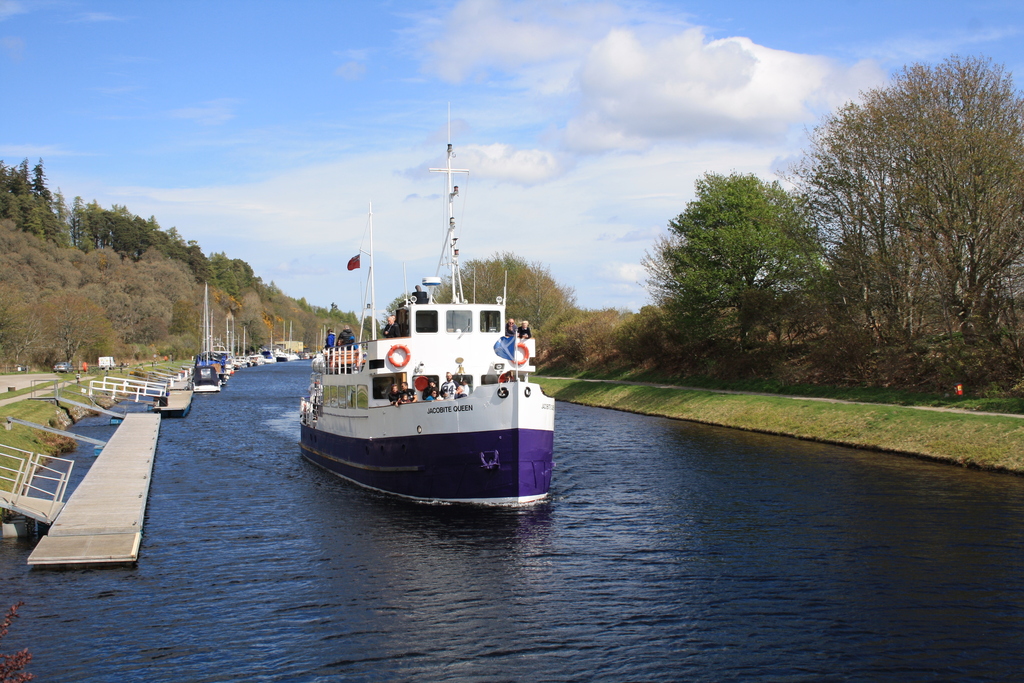
Jacobite Queen at Dochgarroch
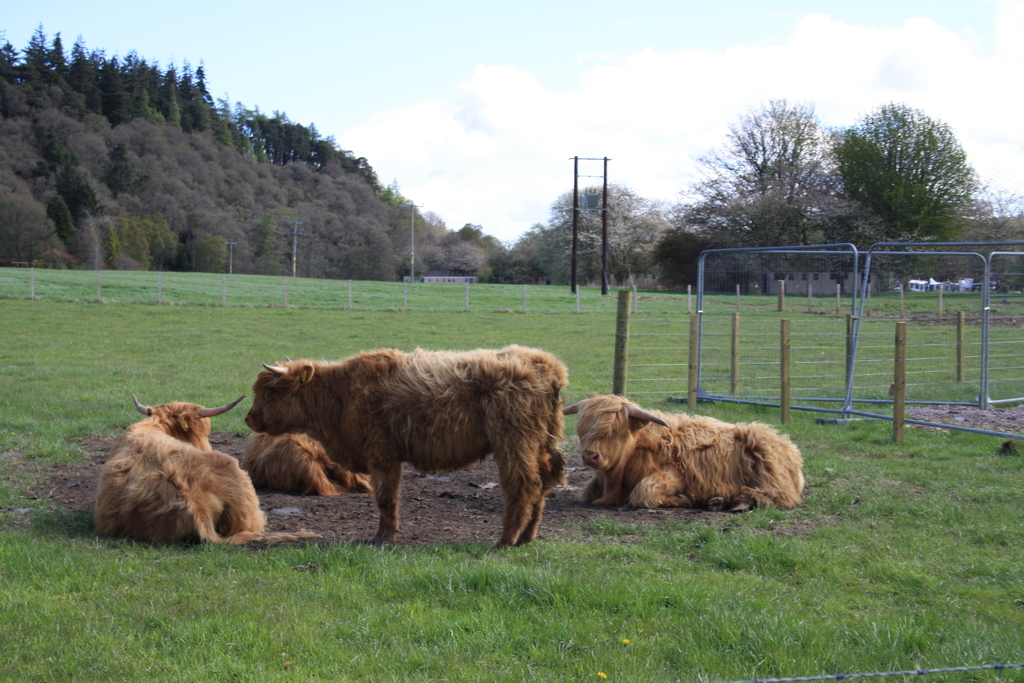
Highland Coos at Dochgarroch
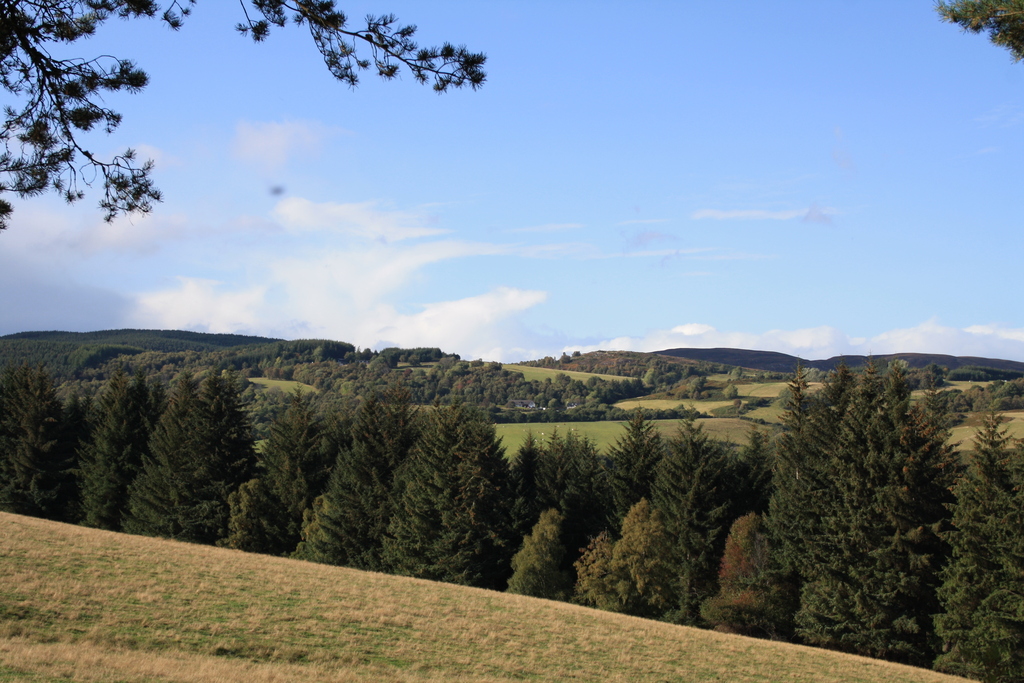
View from Craigmonie Woods
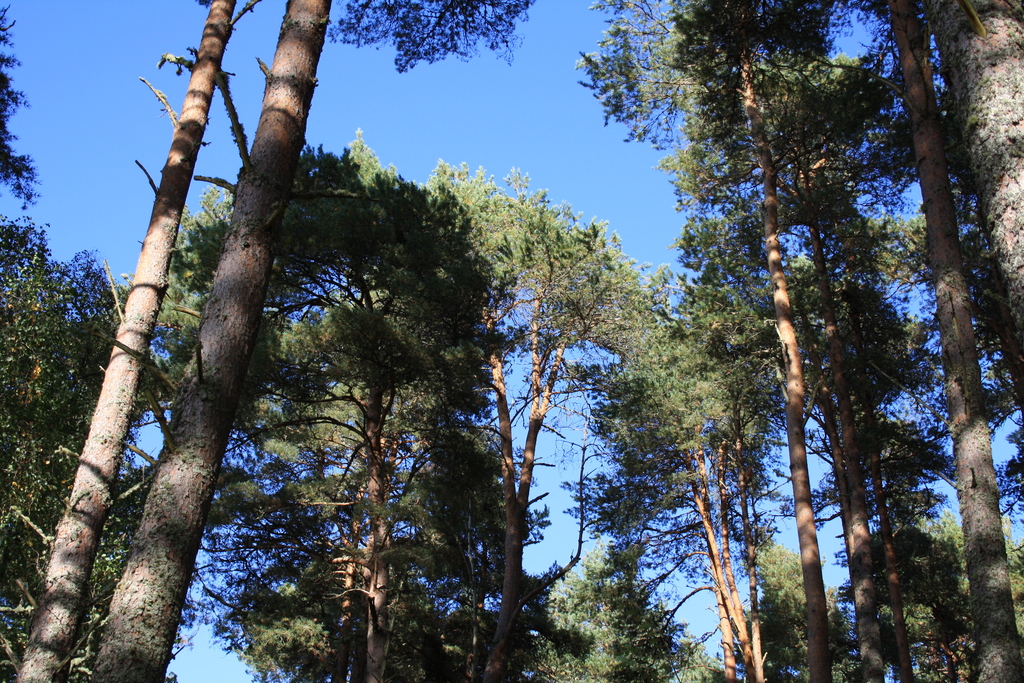
Trees in Craigmonie Woods
Culloden Battlefield is the site of the final Jacobite Rising in 1746, the last pitched battle on British soil in which 1,600 men died, 1,500 of them Jacobites.
Today it is looked after by the National Trust for Scotland who have a visitor centre with a 360-degree battle immersion theatre, a museum, roof garden, shop and cafe.
Transport: 40 minutes' bus journey - see Stagecoach service 1B and alight at stop 'Culloden Battlefield'.
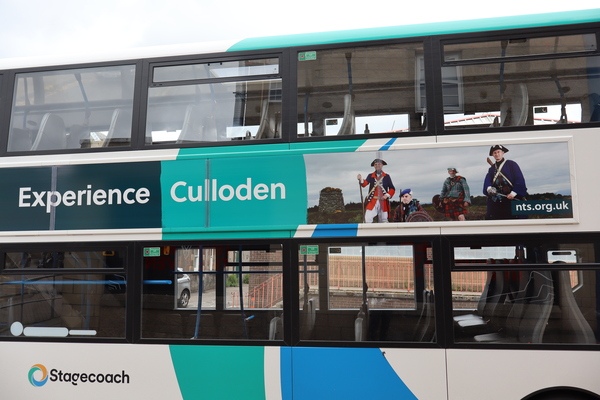
Somehow we haven't got photos so this is the best we can do
Fort George is a historic military fort which is also currently still occupied by the British Army, who are due to leave by 2032.
Visitor access is managed by Historic Environment Scotland and your entrance ticket includes the independent Highlanders' Museum on site. We have enjoyed visiting here many times.
The Fort was built in the 18th century following the Battle of Culloden in 1746. This large site has much to see including walking the ramparts (look out for dolphins from here), the grand magazine which held gunpowder barrels, barracks, and a chapel.
There are two cafes on site. We recommend the one within the Army buildings over the Historic Scotland one.
Transport: 1 hour's bus journey - see Stagecoach service 1.
SAVING! You can get 25% off entry when you arrive car-free (book online with code GOOD25 and show your bus/train ticket or bike on arrival).
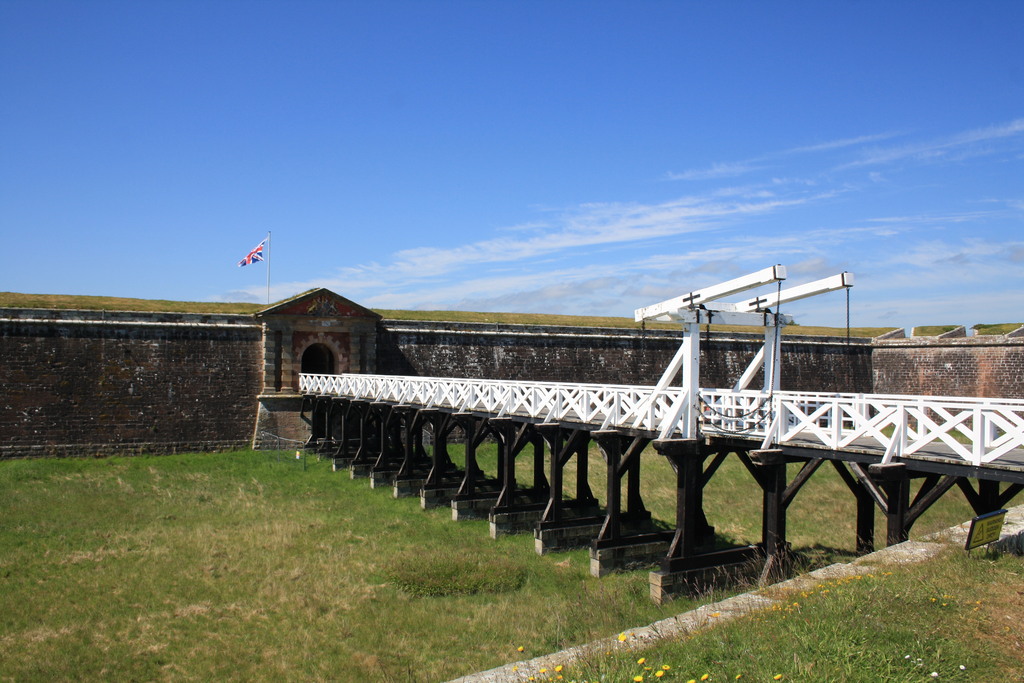
Entrance to Fort George
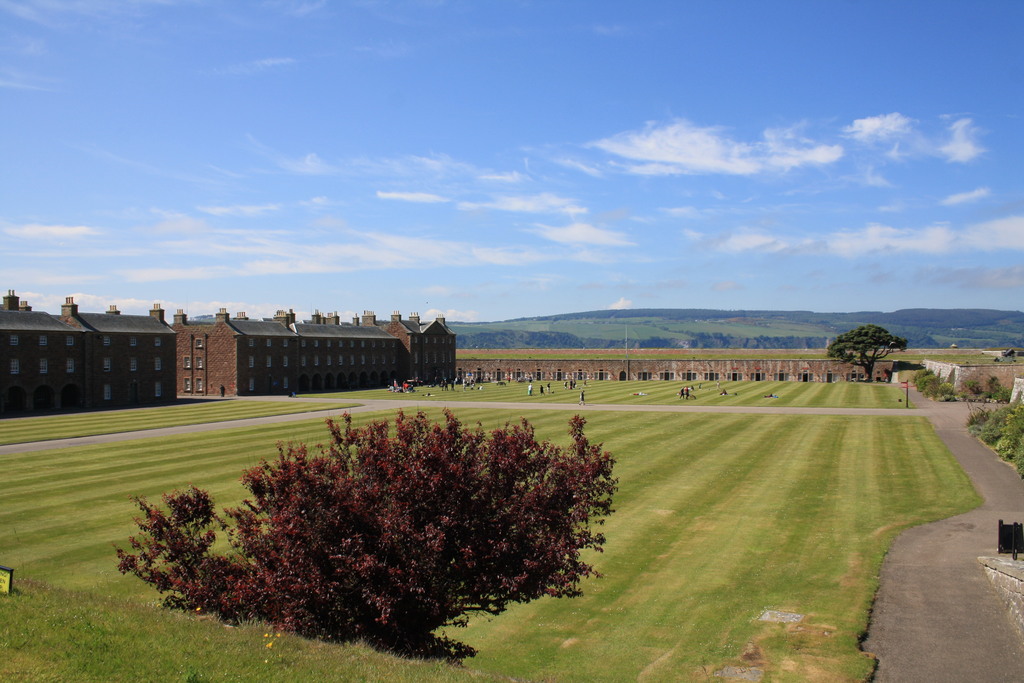
The site is around 42 acres in size
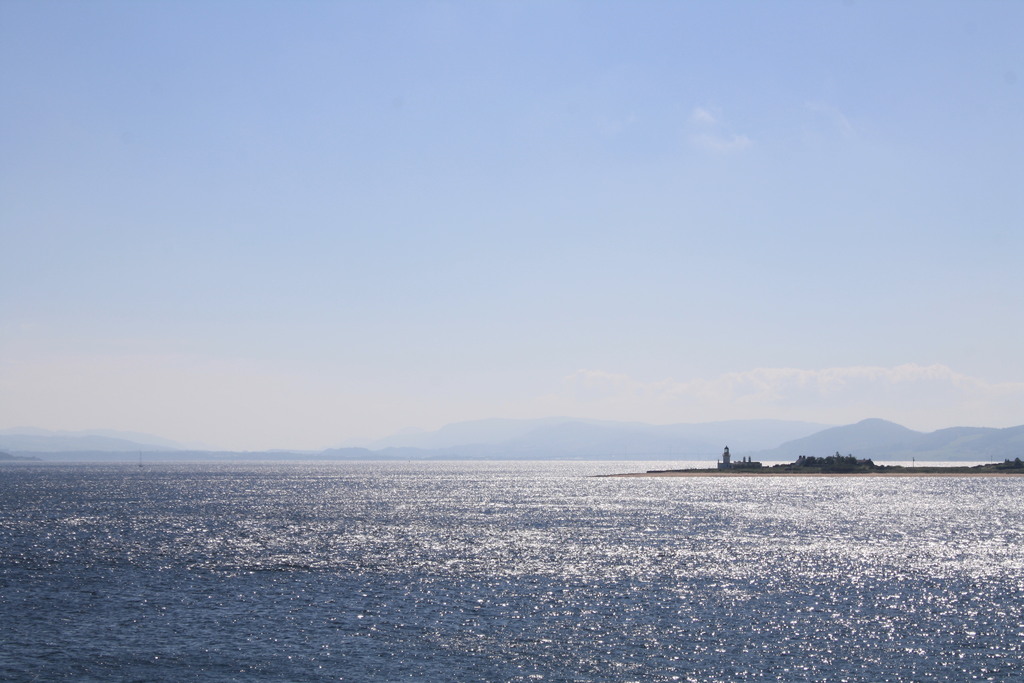
Dolphins are regularly spotted from the ramparts
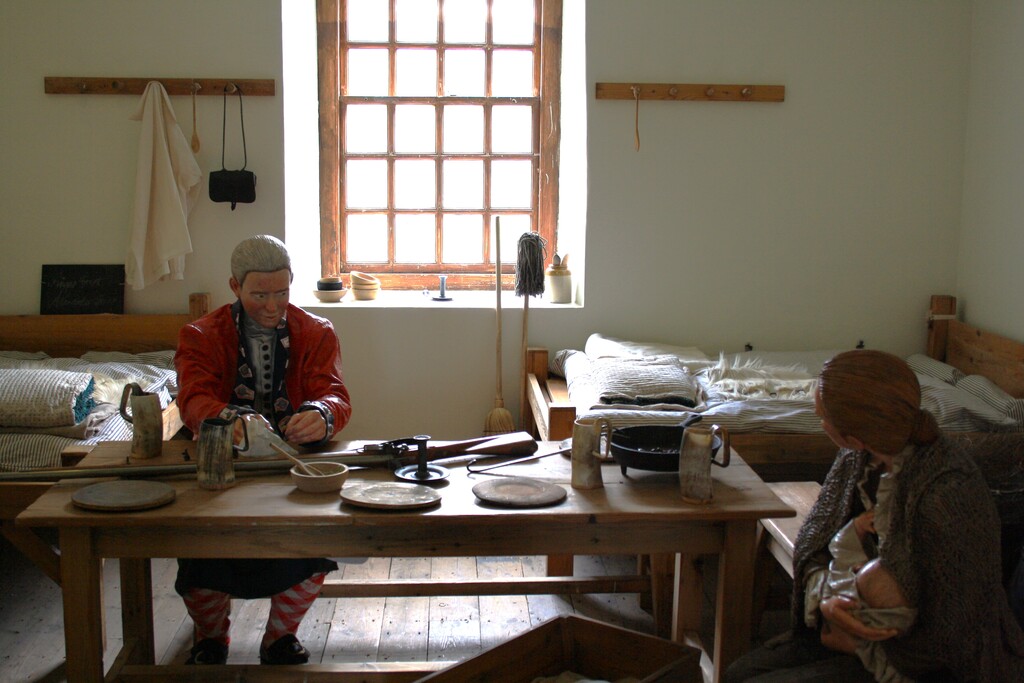
Historic barracks show military life
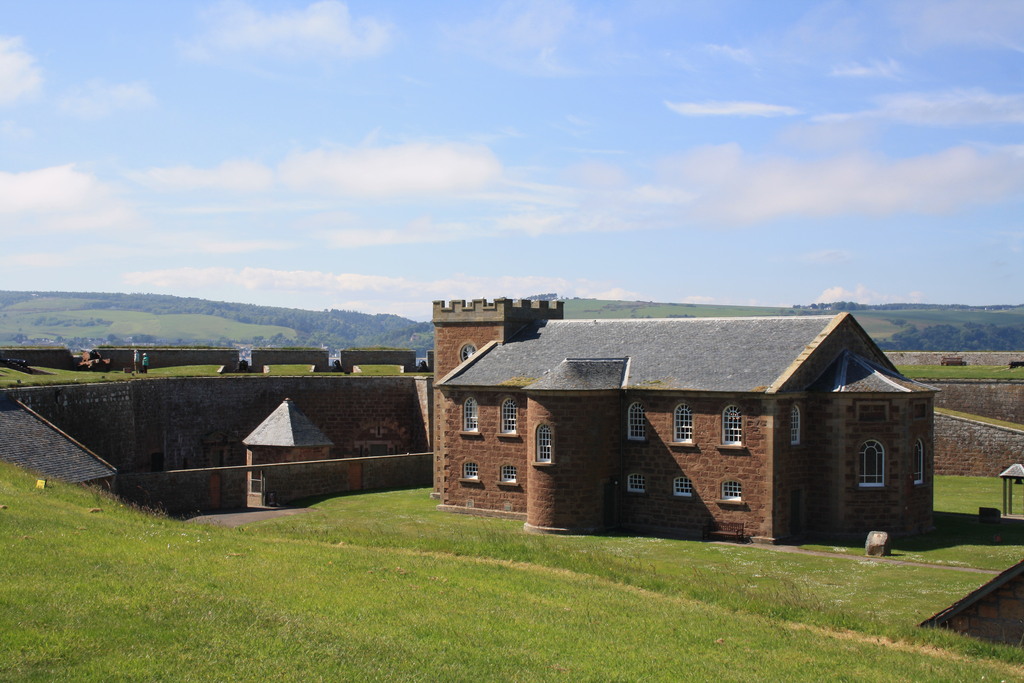
The chapel with ramparts in the background
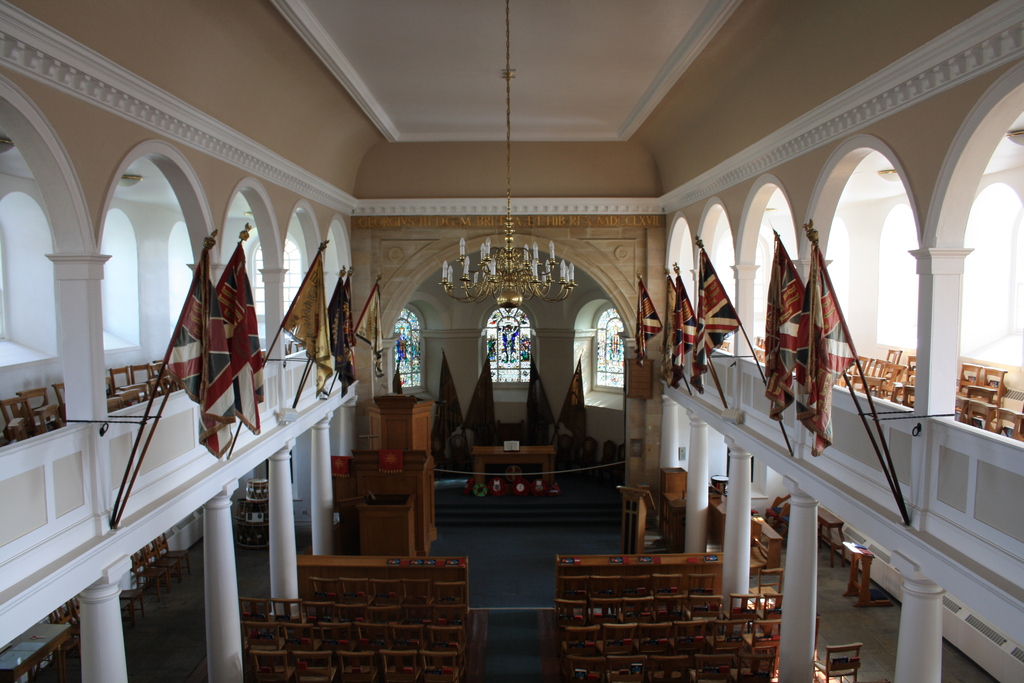
Inside the chapel
SINGLETON OF GLEN ORD DISTILLERY, MUIR OF ORD
Muir of Ord is a small village which is home to the Singleton of Glen Ord Distillery. Founded in 1838, they produce a range of single malt whiskies, as well as whisky for the Johnnie Walker blends.
The Singleton is made at three Highland distilleries: Glen Ord, Glendullan, and Dufftown. Glen Ord is the only site which is open to the public.
The new visitor centre was opened in 2022, offering a wide range of tours. It was the winner of the World's Leading Whisk(e)y Distillery Tour at the World Travel Awards in both 2024 and 2025.
You could combine a visit to the distillery with the recently renovated Estate of Ord next door, which is open to residents and non-residents. This beautiful estate set in attractive grounds features a hotel with spa and salon, garden cafe and restaurant, walled garden and short pond walk in the wood.
About half way down the drive there is a useful pedestrian cut through to the distillery. We have enjoyed multiple lunches and strolls in the grounds here.
Transport: 20 minutes' train journey on the Far North Line, followed by 15 minutes' walk from the train station.
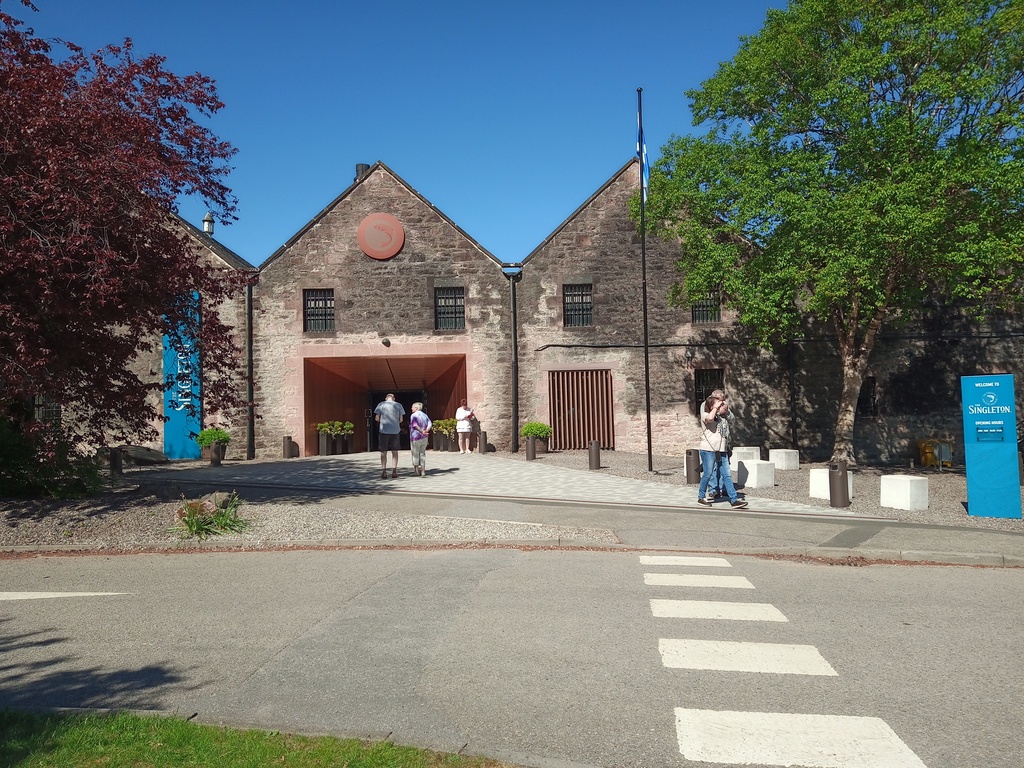
The distillery's new visitor centre
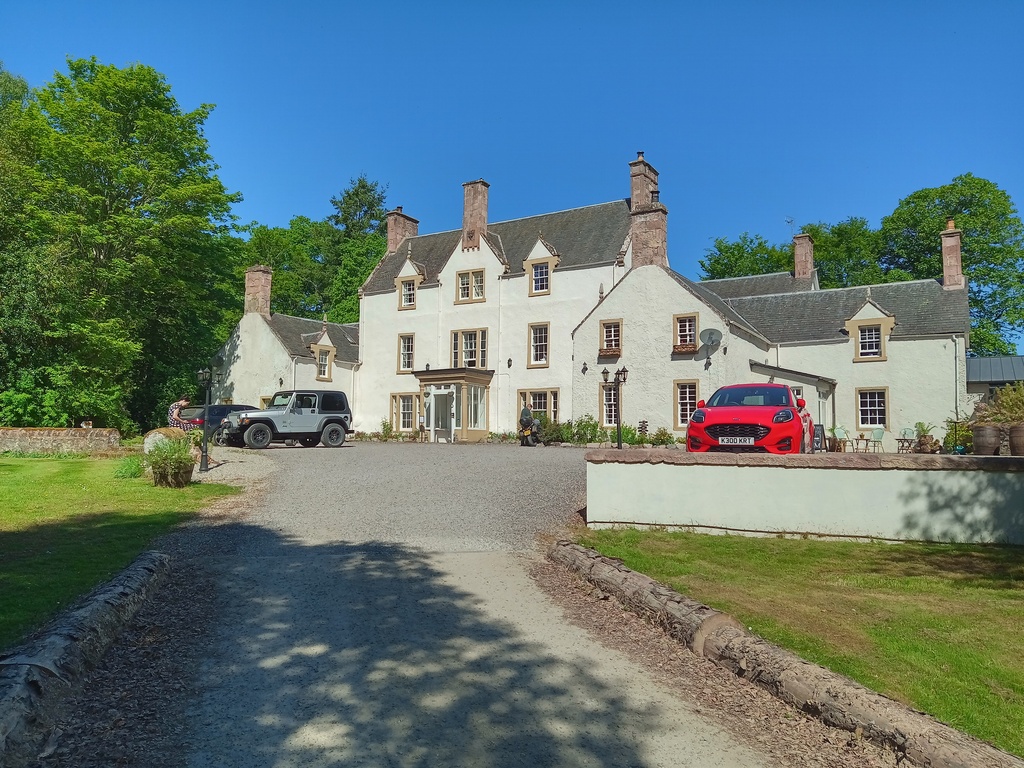
The beautiful and secluded Estate of Ord Hotel
Founded in 1897, this popular distillery produces three ranges of single malt whiskies and a blended malt. The Tomatin range are all winners of multiple awards.
The distillery offers various tours and has a bar on site where you can have a complimentary taste of the Tomatin 12 year old single malt. It is also possible to hand fill your own bottle of one of the cask strength distillery exclusive whiskies.
There is no cafe on site and no safe path to walk into Tomatin village, so if you are going to be visiting over lunchtime, take a packed lunch.
Transport: 35 - 50 minutes' bus journey - see Stagecoach service 37 and Highland Council service 300 (school days only). Alight at stop 'Tomatin Layby Southbound' on the A9 from which it is around 20 minutes' walk to the visitor centre.
The A9 is a very busy road so carefully cross to the bus stop for the north direction, where there is a path through the woods. Then turn left onto the lane and down to the junction where you can pick up the path again which takes you down to the distillery entrance road.
There are major roadworks going on in the area until 2028 so you may find that the pedestrian arrangements differ slightly from the usual.
Founded in 1898, this distillery produces single malt whisky as well as Red Door Gin. It uses locally grown Scottish barley and water from the local Chapelton Spring.
The distillery has been family owned since 1993 and was reopened by Prince Charles in 1998. Various tours and tastings are available.
Transport: 30 minutes' train journey on the Inverness to Aberdeen Line, followed by 10 minutes' walk.
See our Guide to Forres for more places to visit and restaurants.
Founded in 1897, this distillery produces single malt whisky and uses water from the River Lossie. A wide variety of casks are used.
Various tours and tastings are available including Chocolate and Whisky Tasting. There is also a Visitor Centre with coffee shop and gift shop.
Transport: 45 minutes' train journey on the Inverness to Aberdeen Line, followed by 30 minutes' walk.
See our Guide to Elgin for more places to visit and restaurants.
DALWHINNIE DISTILLERY, DALWHINNIE
This distillery is in a stunning location with surrounding hills and countryside.
Remotely located in the Cairngorm National Park, this is the highest (1164 feet above sea level) and coldest working distillery in Scotland. Possibly also the wettest, which must be why they have good whisky - it is usually raining when we pass Dalwhinnie!
Founded in 1898, they produce a 15 year old single malt whisky as well as other limited editions. The water comes from Lochan na Doire-uaine in the nearby hills.
They offer a range of tours as well as having a shop and bar on site.
Transport: 1 hour 15 minutes' train journey on the Highland Mainline, followed by 10 minutes' walk.
Coffee, cake and light bites can be enjoyed in the village at The Apiary (Reviews: 4.8 on Google, 4.5 on TripAdvisor). Otherwise take a packed lunch.
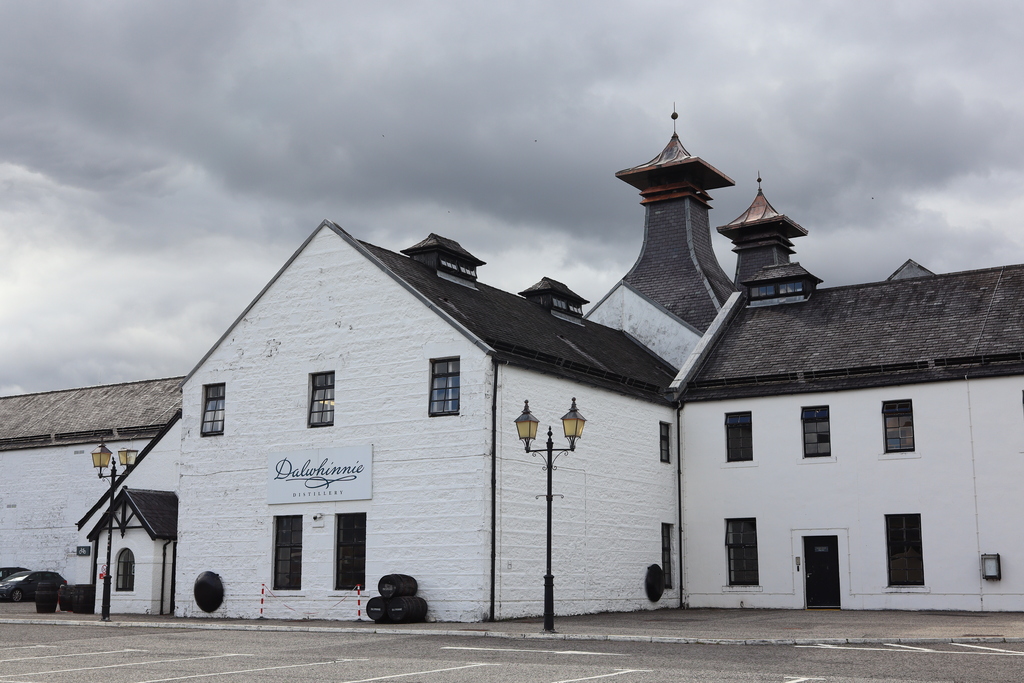
Dalwhinnie Distillery
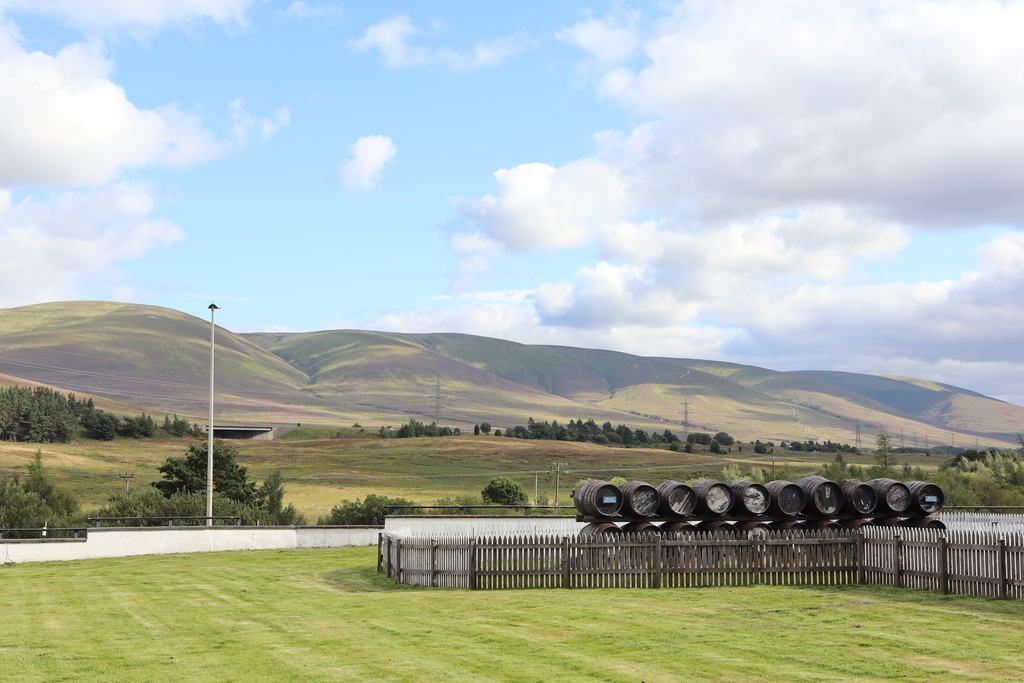
Glorious views from the distillery
Beauly is an attractive, thriving and popular large village on the River Beauly. See the guide for more details of its historic priory, high quality independent shops, and an opportunity to meet Highland Coos.
Transport: 15 minutes' train journey on the Far North Line.
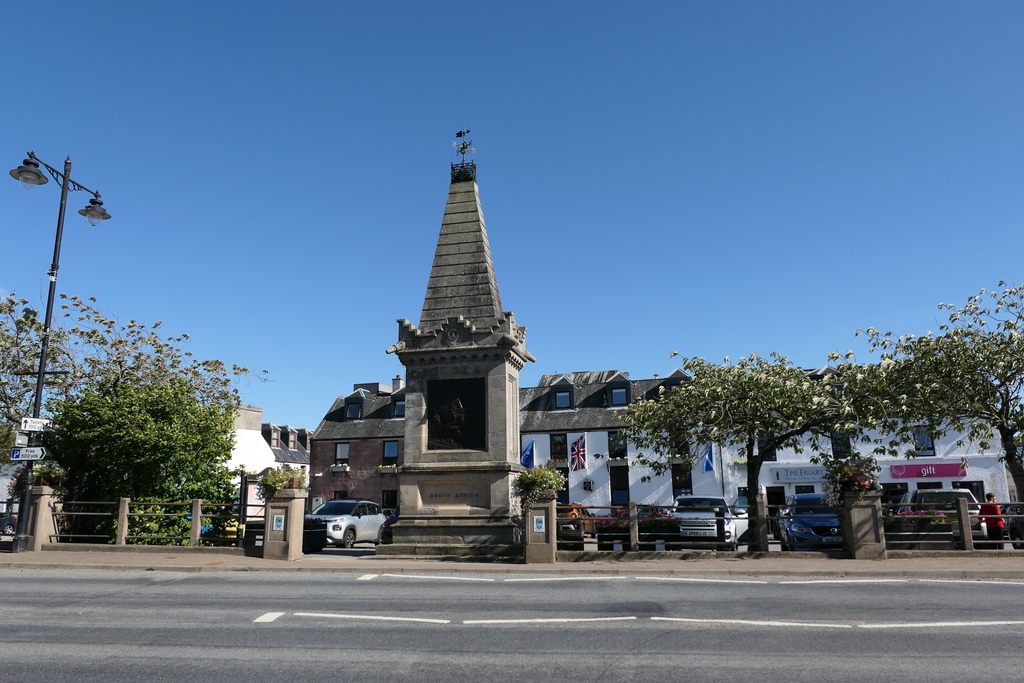
Beauly village centre
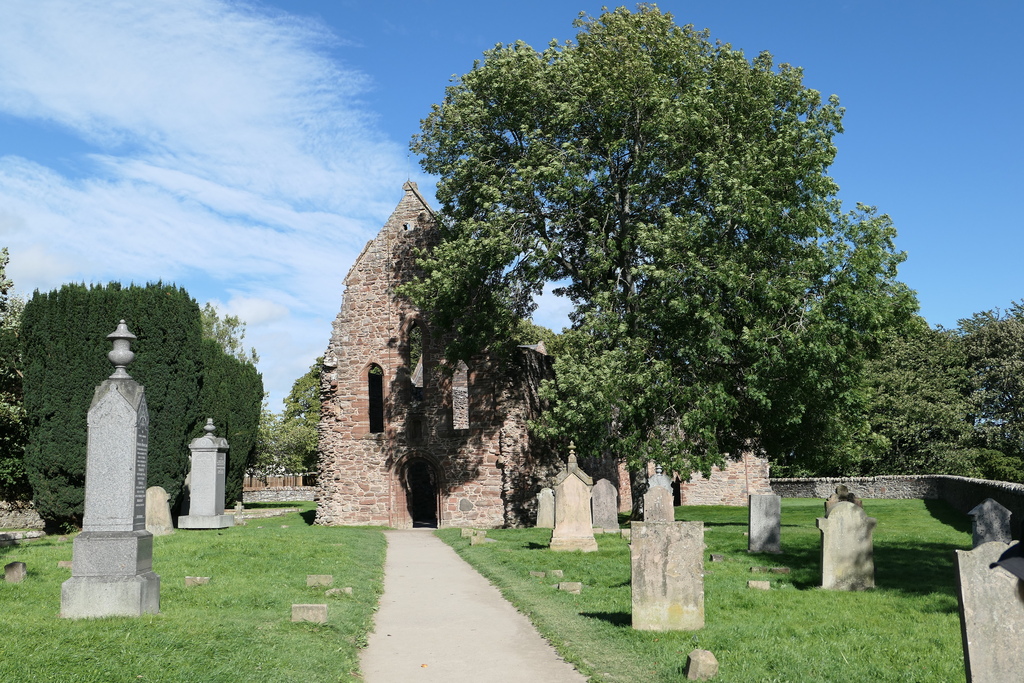
Beauly Priory
THE BLACK ISLE: FORTROSE, ROSEMARKIE AND CROMARTY
The Black Isle peninsula is one of our favourite areas in the Highlands. It has a peaceful, slow paced feel. The land is beautiful, being mostly farming and woodland.
The main part, which is nestled between the Cromarty Firth and the Moray Firth, is easily accessible by regular bus service from Inverness.
See our Guide for Inverness to the Black Isle for details of the busy town of Fortrose including one of the best places in Britain for viewing dolphins, the attractive village of Rosemarkie with its long sandy beach, and the popular and idyllic historic town of Cromarty.
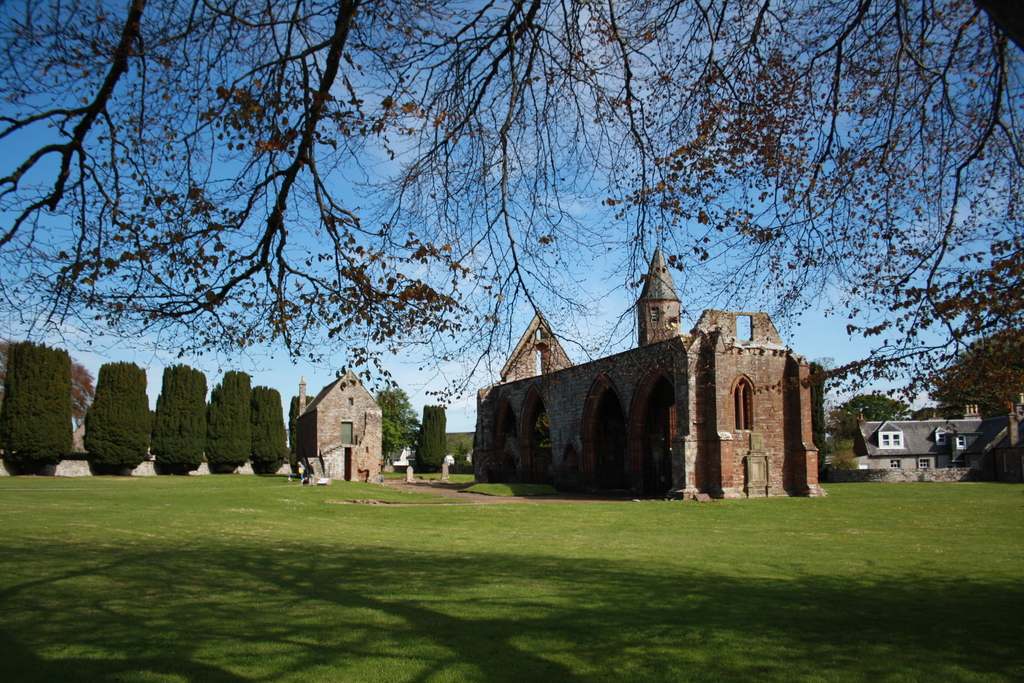
Fortrose Cathedral
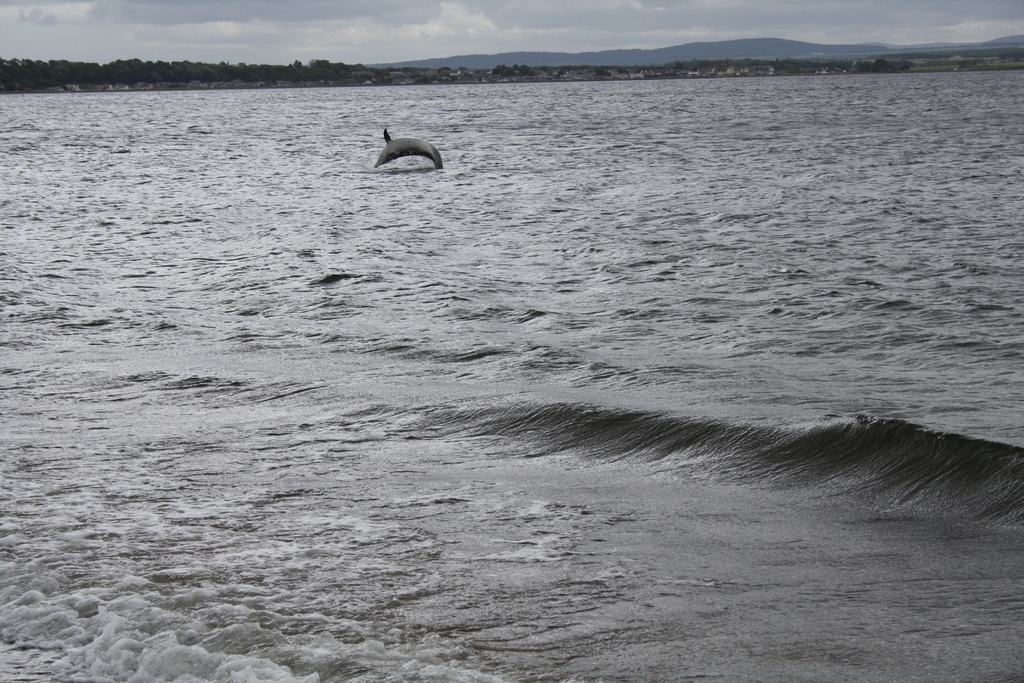
Dolphin at Chanonry Point in Fortrose
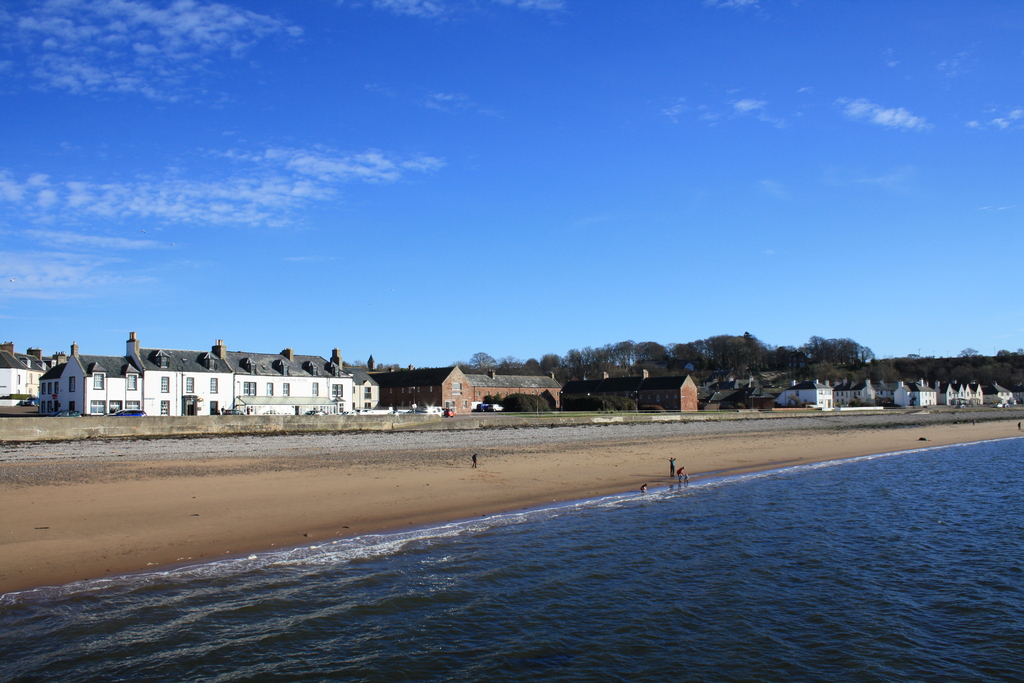
The attractive village of Cromarty
DUNROBIN CASTLE AND GARDENS, GOLSPIE
Get up early for a long day trip to the fairytale Dunrobin Castle, returning on the last train of the day.
It is just over 2 hours' train journey each way on the Far North Line, which is one of Britain's most scenic railway lines.
This would be a long day but is doable if you want to see this magnificent castle with its private train station. See our Guide to Dunrobin Castle for more details of the castle, gardens and museum.
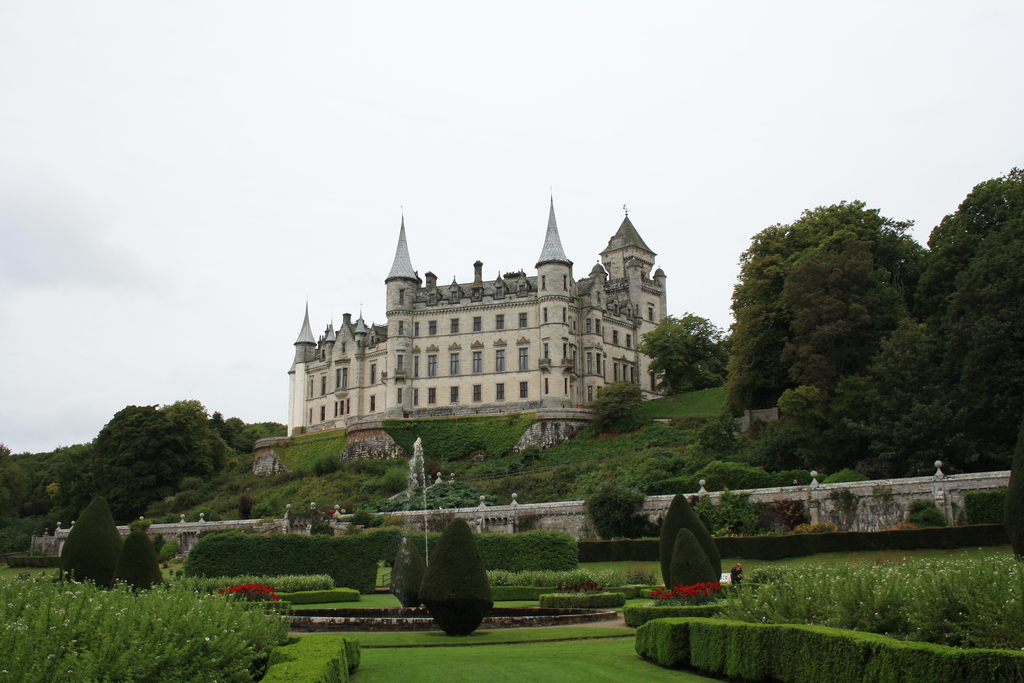
Dunrobin Castle
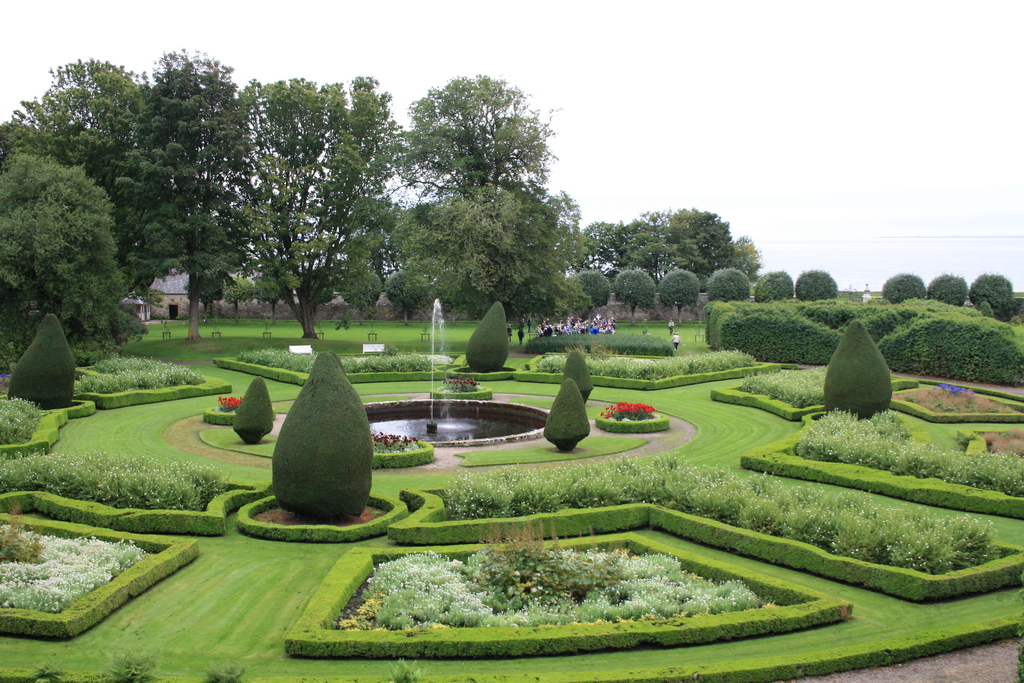
The formal gardens with falconry display
BLAIR CASTLE AND GARDENS, BLAIR ATHOLL
This is the best visitor attraction we have visited and the best value for money. Seat of the Dukes of Atholl, this picturesque white castle is set in beautiful grounds with mountains in the background.
Visitors can choose to visit the castle and grounds, or grounds only. Even if you visit the grounds only, there is so much to see.
With a grounds only ticket we spent 3 hours here and could easily have stayed longer; visiting the castle and grounds you could spend the whole day here.
When we visited most recently, we were genuinely sad not to live closer as we would buy the (very good value) annual pass to the Castle and visit here on every day out (which wouldn't be good for our website!).
Transport: 1 hour 30 minutes' train journey on the Highland Mainline, followed by 15 minutes' walk.
Either catch a very early morning train to spend the day there, or the mid morning train to spend half a day there. Return on the late afternoon/early evening train.
See our Guide to Blair Atholl for more details and photos of Blair Castle and other attractions in the village.
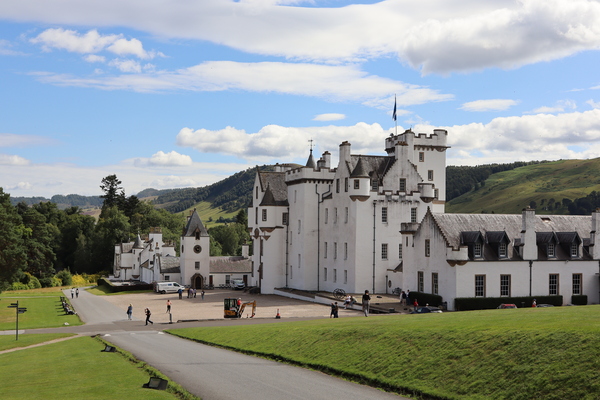
What a glorious setting
This is one of the great railway journeys of the world. The route begins in the Capital of the Highlands, Inverness, and ends in remote Kyle of Lochalsh, gateway to the Isle of Skye.
Along the way travellers see the farmlands of the Beauly Firth, the heather covered hills of the Highlands and the beauty of the west coast as the line makes its way along the sea lochs after Strathcarron.
See our Scenic and Historic Guide to the Kyle Line if you would like a detailed description of the line to read either before or during your journey.
One option to explore the Kyle Line as a day trip is breaking your outward journey at one of the smaller stops along the line. See our Guide to the Garve to Duirinish section for suggested stops.
Or you could travel the whole route, which takes around 2 hours 40 minutes each way. Catch the first train of the day to arrive in Kyle of Lochalsh late morning.
You will have either around 2 hours or 5 hours 30 minutes before returning to Inverness. See our Guide to Kyle of Lochalsh for places to visit and places to eat.
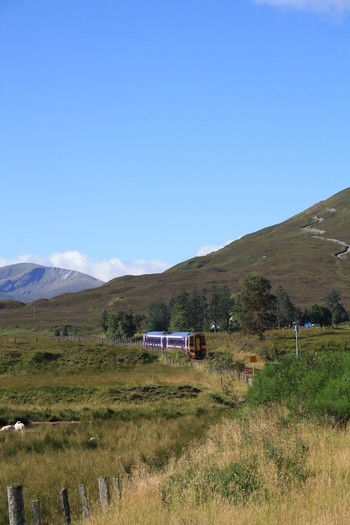
A journey of stunning scenery
Page last updated 23 March 2026